Supporting Knowledge and Action
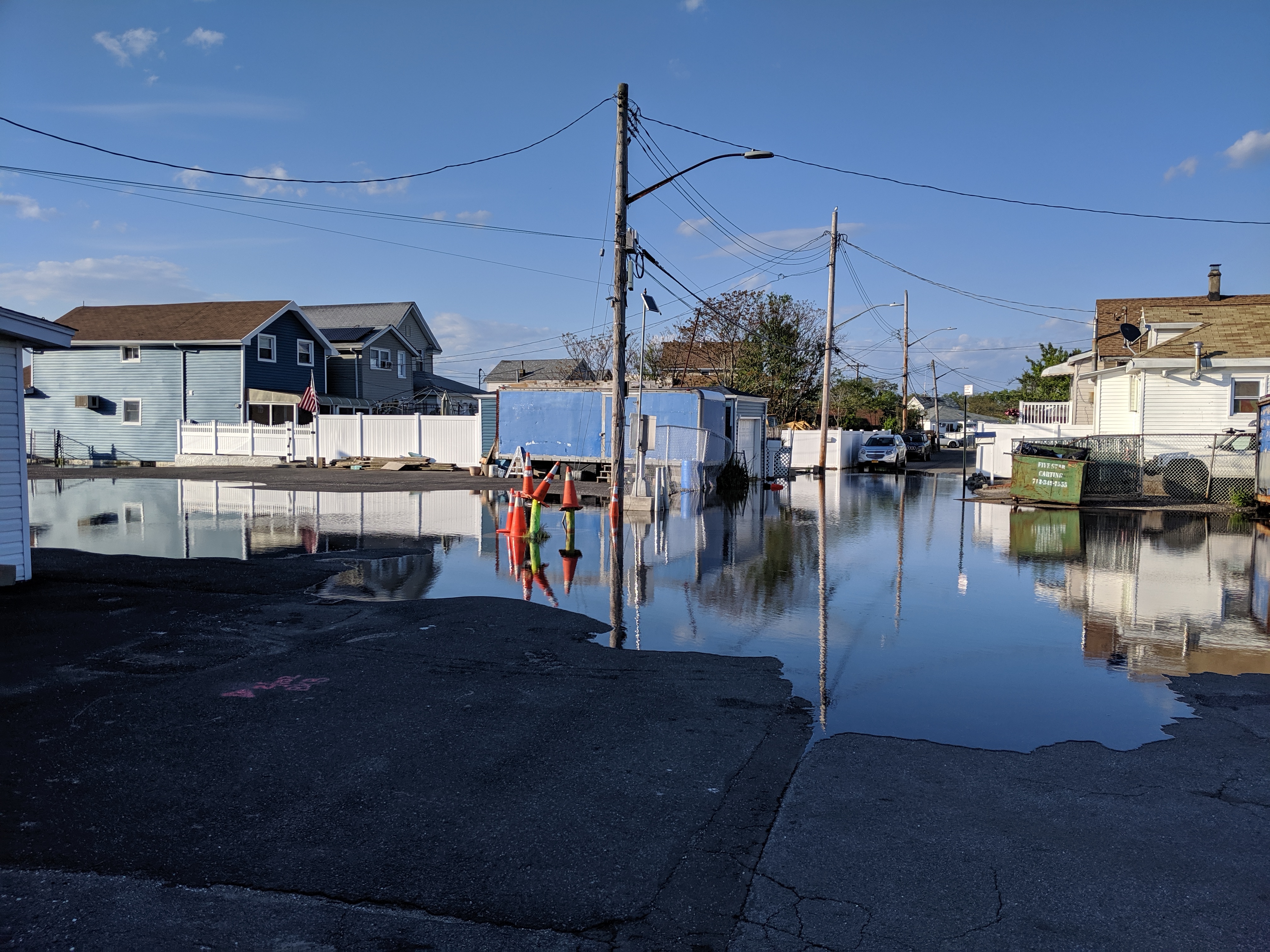
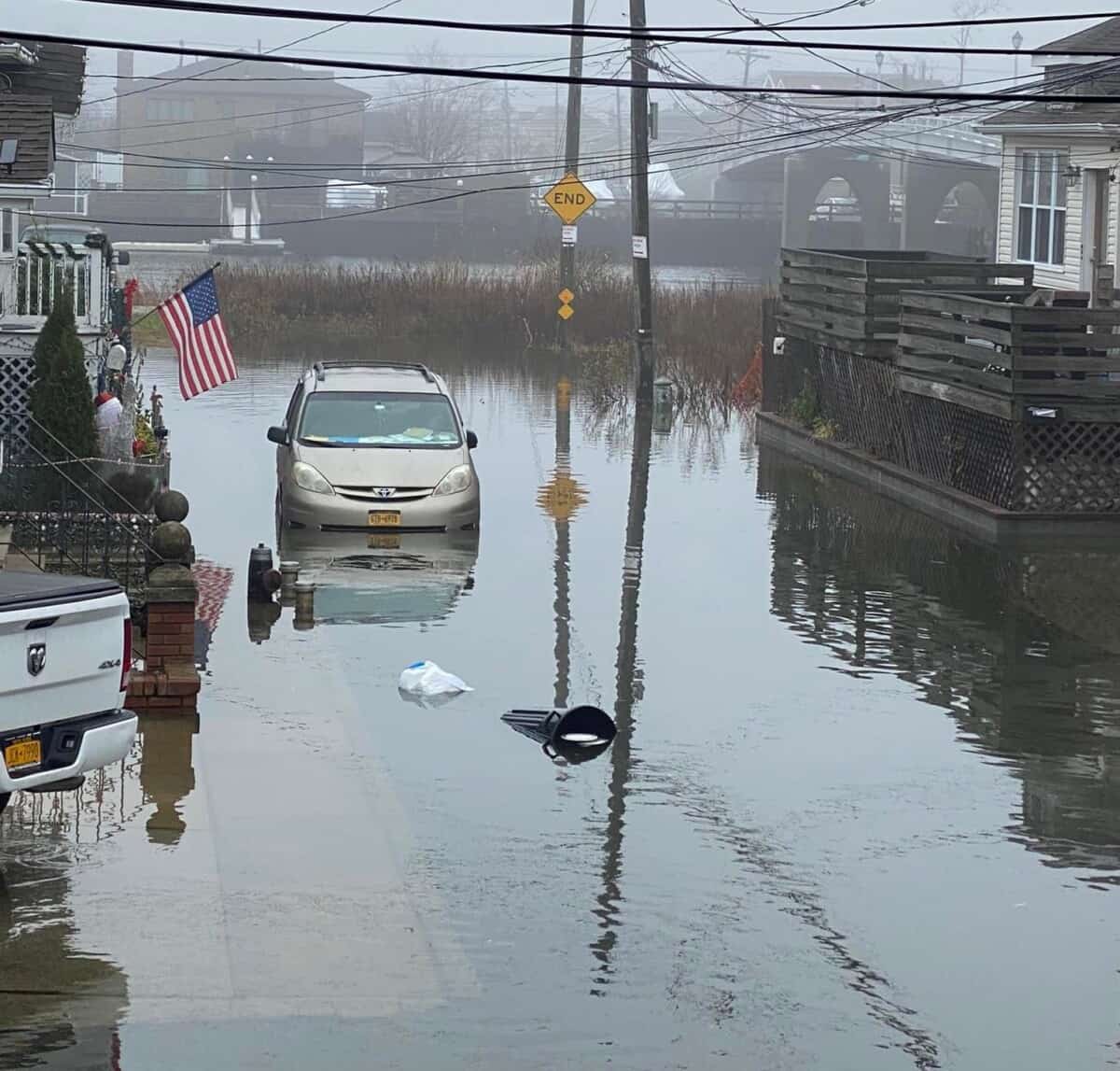
Flooding is a threat to the livelihoods and well-being of the communities that experience it, any of which face a larger suites of challenges shaped by historical legacies of racism and inequality. Within New York City, flooding stems from various places. Research and policy often focus on specific types of flooding, but flood waters can seriously impact streets, homes, businesses, subways, schools, and infrastructure regardless of the cause. As a result, academic institutions that help create a bridge between knowledge about flooding and action, can also support intentional collaboration amongst stakeholders and sustained impact.
Serving this role, SRIJB engages in a portfolio of projects, in the Jamaica Bay watershed and beyond, that demonstrate the value of using science to empower communities; but also leveraging communities to reinforce the strength and relevancy of the science. Projects like Community Flood Watch and FloodNet exemplify this and have emerged from frequent and sustained dialogue with Jamaica Bay communities.

SRIJB Welcomes Dr. Jonathan Hallemeier
The Science and Resilience Institute at Jamaica Bay is thrilled to be hosting Dr. Jonathan Hallemeier, a visiting scholar at Brooklyn College who is an
Summary of the Intergovernmental Panel on Climate Change’s Climate Change 2022 Report
The latest report by the Intergovernmental Panel on Climate Change (IPCC), released March 2022, is a clarion call for cities, states and nations to move swiftly
New Flood Sensors Capture Tidal Flood Data Around Jamaica Bay
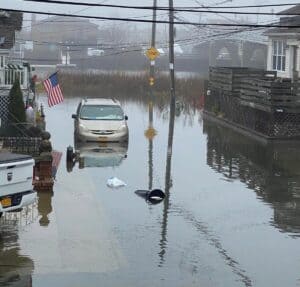
Recent tidal flooding around Jamaica was captured for the first time by coastal flood sensors, installed as part of a pilot project funded by the
SRIJB Studies How Heat Stress Hits Public Housing Hard
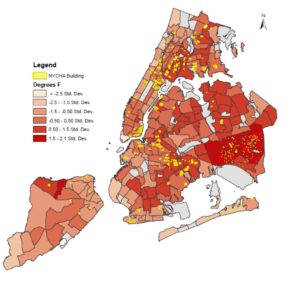
One of the hottest summers on record has ended, but for many New Yorkers the harmful health effects of climate change-induced extreme heat will linger on. This is especially true for New