Supporting Knowledge and Action
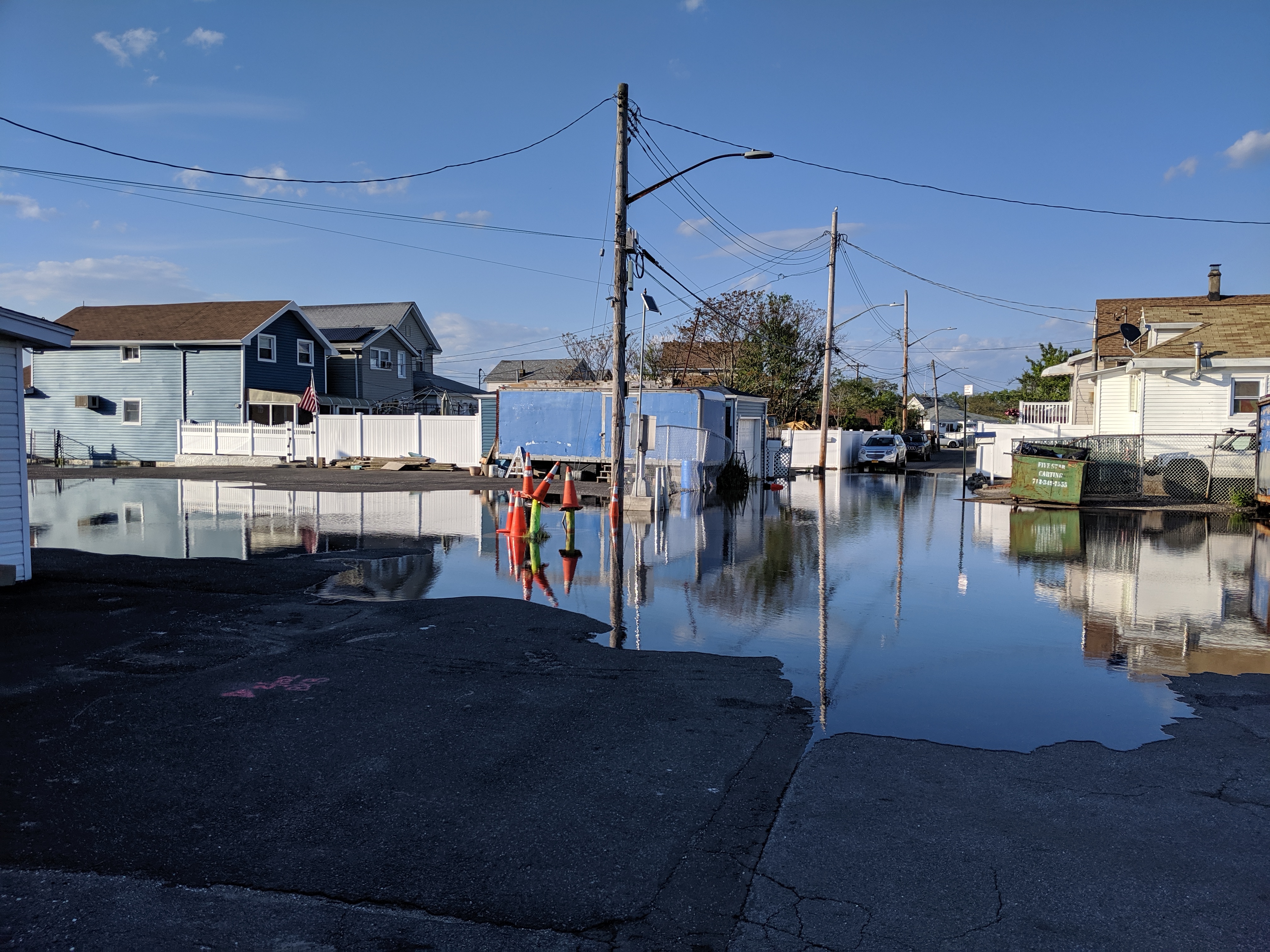
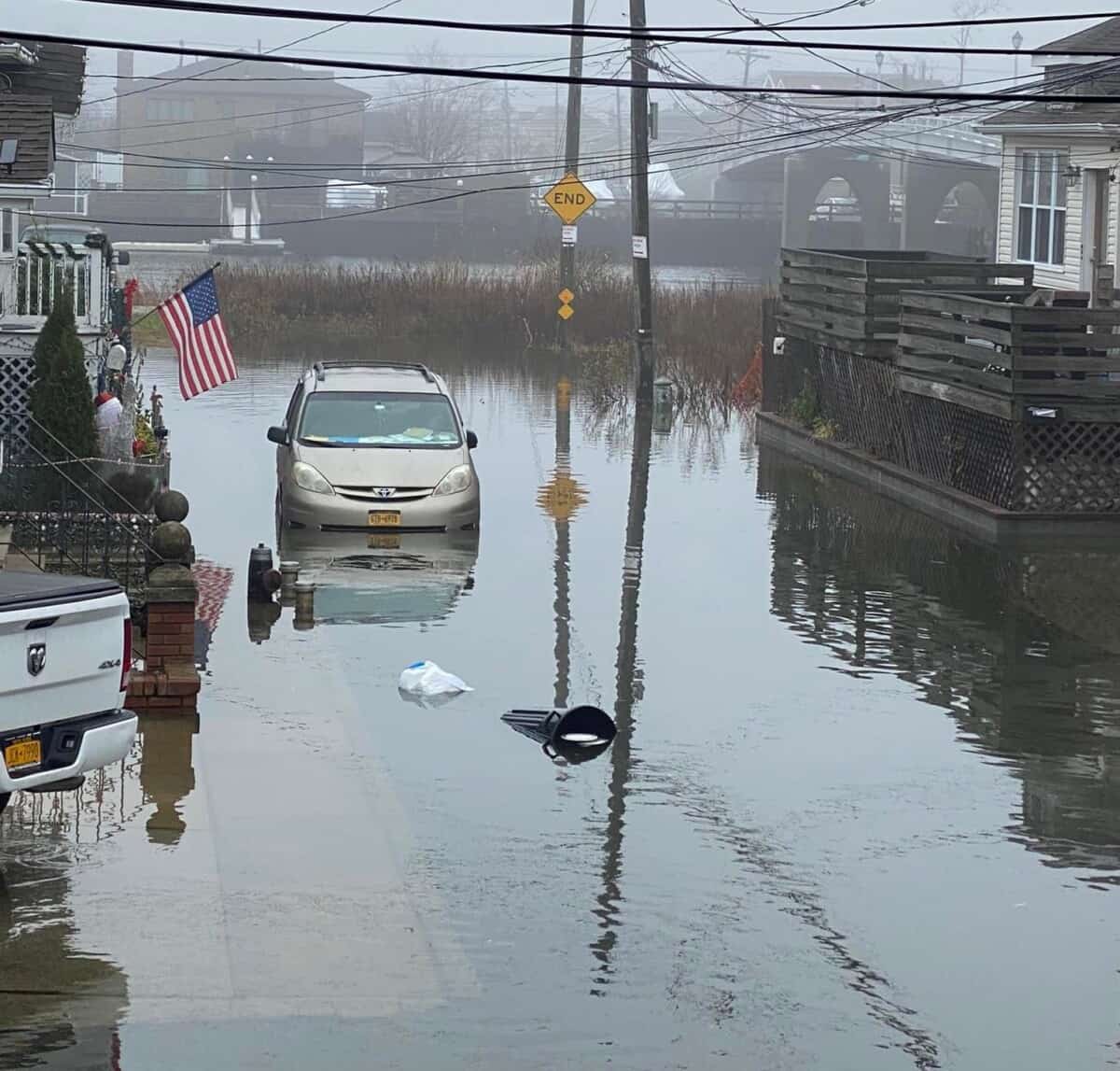
Flooding is a threat to the livelihoods and well-being of the communities that experience it, any of which face a larger suites of challenges shaped by historical legacies of racism and inequality. Within New York City, flooding stems from various places. Research and policy often focus on specific types of flooding, but flood waters can seriously impact streets, homes, businesses, subways, schools, and infrastructure regardless of the cause. As a result, academic institutions that help create a bridge between knowledge about flooding and action, can also support intentional collaboration amongst stakeholders and sustained impact.
Serving this role, SRIJB engages in a portfolio of projects, in the Jamaica Bay watershed and beyond, that demonstrate the value of using science to empower communities; but also leveraging communities to reinforce the strength and relevancy of the science. Projects like Community Flood Watch and FloodNet exemplify this and have emerged from frequent and sustained dialogue with Jamaica Bay communities.
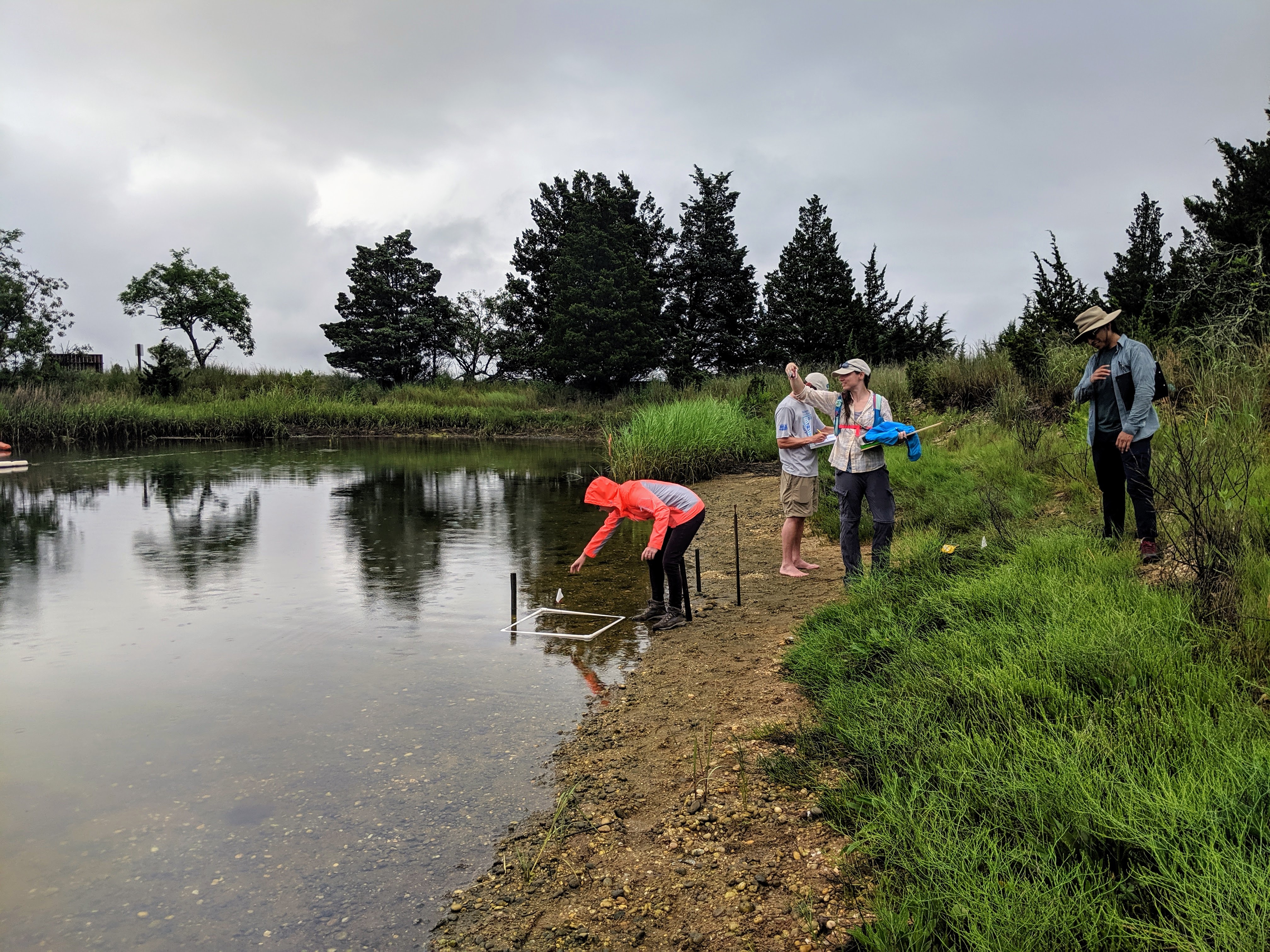
“Measuring Success” Team Puts Resilience into Practice in New Paper
Members of the project team behind “Measuring Success,” an expansive, collaborative effort to monitor natural and nature-based shoreline features across New York State, have published
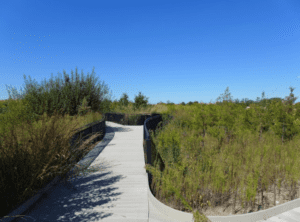
Seeing Greens and Blues
(Article written by Jazmyn Blackburn, MPA at Sciences Po & Canarsie Resident) Across social media, people have been remarking on significant changes happening in parks
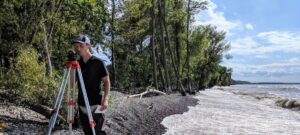
Field Notes from the 2019 SRIJB Fellows
(Article written by Carina Rodriguez, SRIJB Communications Intern and CUNY: Brooklyn College Student) Last June, the Science and Resilience Institute awarded fellowships to Dylan Corbett
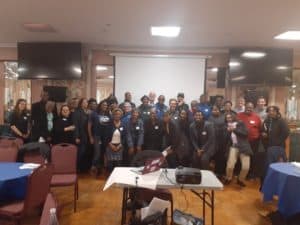
New York Community Trust Funding to build resilience capacity in Jamaica Bay Communities
On November 14th, a community action forum was held at the Beraca Baptist Church in Canarsie. The action forum was the next step in an